
 Meet Dr. Jake Prechtl
 Meet The Team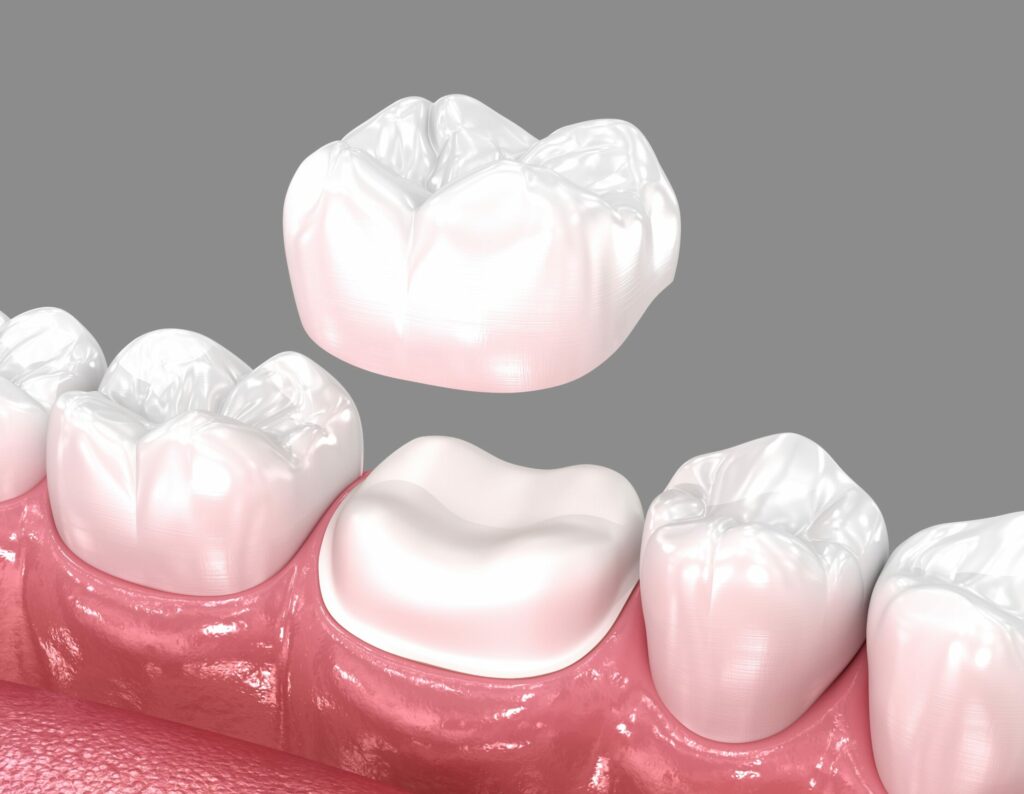
At Southwest Dentistry in Grove City, Ohio, we often notice a pattern after the holidays. Seasonal sweets, busy schedules, and winter sports can stress your smile. You might detect a “small” change, like a sharp edge on a tooth or a twinge when biting into chewy foods. These subtle hints could be your tooth’s way of asking for support.
A Dental Crown helps protect your natural teeth, maintain a comfortable bite, and avoid more extensive repairs later. If you’re wondering whether it’s time, here are the subtle warning signs to watch for and what we evaluate in our dental office to help you make an informed decision.
Why do teeth need a dental crown?
A crown acts like a fitted helmet for a weakened tooth, restoring strength, shape, and function while preserving natural tooth structure. In restorative dentistry, crowns are often used when a filling no longer provides enough support, especially for back teeth that handle heavy chewing forces.
The goal is simple: protect the prepared tooth so you can chew comfortably and maintain oral health. A custom crown can also blend seamlessly, which is especially important for front teeth where a natural appearance matters.
Subtle warning signs you should not ignore
Sometimes a damaged tooth announces itself loudly; other times, it whispers. Pay attention to these common clues.
1) Pain when biting or chewing
If a tooth hurts only when you bite down, it may indicate a crack, a failing filling, or stress on a weak tooth. You might notice it most with chewy foods or when the tooth contacts opposing teeth in a certain way. Early care can prevent a bigger break.
2) A filling keeps chipping or falling out
Repeated repairs on the same spot often mean there isn’t enough natural tooth structure left to hold another filling long-term. This is when a dental crown becomes a good choice, as it supports the remaining tooth and evenly distributes biting forces.
3) Fine cracks or a rough edge
Tiny fractures may appear as hairline lines, or you might feel a sharp spot with your tongue. Even without constant pain, cracks can deepen over time. Protecting the area with a crown or, in some cases, inlays and onlays can stabilize the tooth before further damage occurs.
4) Lingering sensitivity to hot or cold
Sensitivity can stem from tooth decay or gum line recession. If the tooth also has a large filling or visible damage, full coverage may be needed for proper care and comfort. We’ll assess the full picture and recommend solutions that align with your oral hygiene goals.
5) A darker tooth near the gum line
A dark line near the gum line may appear with older porcelain-fused-to-metal (pfm) crowns or indicate a compromised tooth or aging restoration. If you notice a color change, it’s worth a check so we can discuss options for maintaining a natural appearance.
Is it time for a dental crown?
If you’ve noticed pain when chewing, a cracked or damaged tooth, or an old restoration that keeps failing, it’s a good idea to schedule an exam. During your visit, we’ll explain what we see and whether a crown, inlays and onlays, or another approach best supports your comfort and oral health.
What happens during a dental crown procedure?
Uncertainty about the process can delay care. We keep it clear and calm, walking you through each step.
A dental crown procedure typically involves two appointments. At the first visit, we evaluate the tooth, discuss materials, and prepare the tooth by shaping it for a secure fit. If the tooth has deep damage or infection, root canal treatment may be needed first to allow healing before protection.
After preparation, we take records for a dental lab to create your restoration. You’ll leave with a temporary crown to protect the tooth while your final crown is made. At the second visit, we remove the temporary crown, check your bite, and place the permanent crown for a comfortable fit.
Understanding types of dental crowns and materials
Choosing the right crown depends on the tooth’s location, your bite, and individual needs. We’ll help you compare options in plain language so you feel confident.
Common crown types include:
- Porcelain crowns / ceramic crowns: Mimic enamel for a natural look, ideal for front teeth.
- Zirconia crowns: Strong and tooth-colored, suitable for back teeth where durability matters.
- Pfm crowns: Porcelain over a metal base, strong but may show a dark line at the gum line over time.
- Metal crowns: Durable, often made from gold alloy, though less common for visible teeth due to their metallic color.
- Resin crowns: Budget-friendly but may wear faster than other materials.
- Stainless steel: Often used in pediatric dentistry for temporary needs.
If you have metal allergies or sensitivities, let us know. This detail is important when selecting the right crown material.
When an inlay, onlay, bridge, or implant may be the better fit
Not every tooth needs full coverage. Inlays and onlays (partial crowns) can restore a tooth while preserving more natural structure. These options can be precise and conservative for certain porcelain restorations.
If the tooth cannot be saved, we’ll discuss next steps. A dental implant can replace missing teeth without relying on neighboring teeth, while implant restoration rebuilds function. In other cases, a dental bridge may fill the gap. We focus on restorative choices that support long-term care and daily comfort.
How to protect a crown and the tooth underneath
Crowns are strong but still depend on healthy habits. Good oral hygiene keeps the gum line healthy and prevents decay at the crown’s edge. Think of the crown as protection for the tooth, and your routine as protection for everything around it.
Practical ways to support proper care:
- Brush and floss consistently, especially along the gum line.
- Keep regular dental visits so we can check the crown and surrounding tissues.
- If you clench or grind, ask about a night guard to reduce stress on crowns and natural teeth.
- Be mindful with hard or sticky foods, and take it slow with chewy foods if a tooth feels tender.
If you notice a change in your bite, a rough edge, or a loose temporary crown, call us. Small adjustments can prevent bigger issues.
Let’s keep your tooth strong and comfortable
If you’re dealing with sensitivity, a weak tooth, or recurring damage, you don’t have to guess what it means. At Southwest Dentistry, we focus on clear explanations, steady support, and treatment plans that fit your goals and comfort level.
Schedule your appointment today.