
 Meet Dr. Jake Prechtl
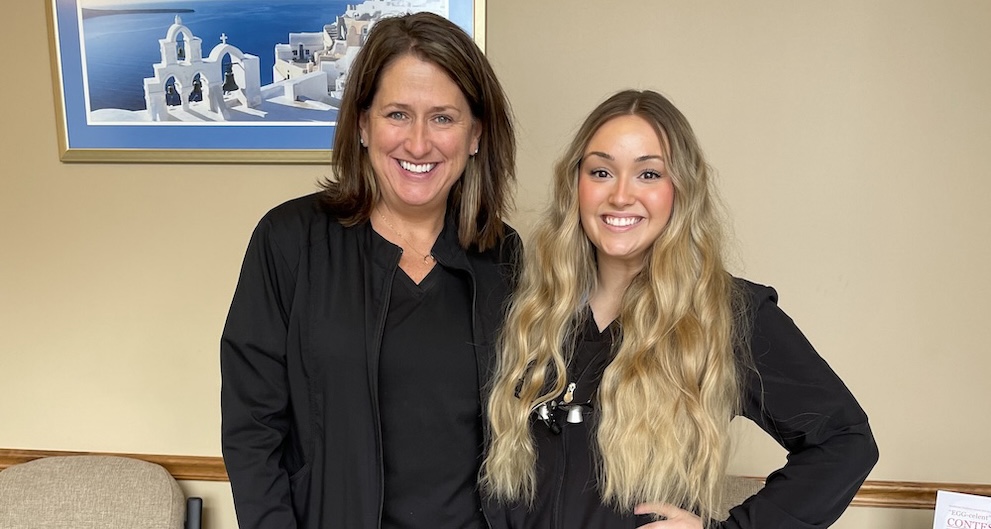 Meet The Team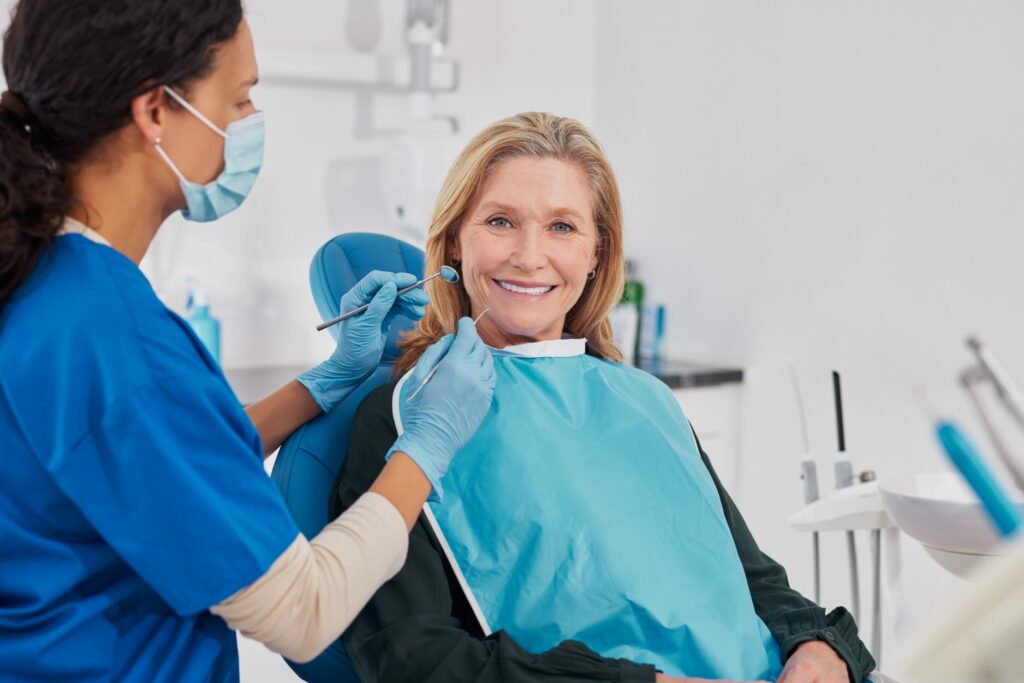
April is Oral Cancer Awareness Month, a reminder to focus on aspects of health that are often overlooked. While dental visits are commonly associated with cavities and gum disease, your mouth is also a key area to monitor for changes that could indicate oral cancer. The good news is that a quick, comfortable screening can support early detection, when treatment options and survival rates are more favorable.
At Southwest Dentistry in Grove City, Ohio, prevention is central to our care. An oral cancer screening fits seamlessly into regular dental checkups because it is simple, painless, and designed to catch small changes in the early stages before they escalate.
Why Oral Cancer Awareness Month matters for your oral health
Awareness months often pass unnoticed, but this one carries a vital message: your health care team should look beyond your teeth. According to the American Cancer Society, oral and throat cancers affect many people in the United States, with some forms increasing due to factors like human papillomavirus (HPV). This makes consistent cancer prevention habits and routine cancer screening essential.
By treating prevention as part of your routine, you gain a steady baseline over time, allowing us to detect new changes in the oral cavity and surrounding structures earlier.
What is an oral cancer screening?
An oral cancer screening involves a thorough examination of the entire mouth and nearby areas for signs of unhealthy tissue. Dentists and dental hygienists are trained to evaluate oral tissues and identify patterns that may indicate irritation, infection, or areas requiring further attention.
This screening is linked to oral pathology, which focuses on understanding changes in the mouth’s soft tissues. If we notice abnormal tissue or suspicious areas, we guide you through next steps and coordinate further testing when necessary.
What can an oral cancer screening detect early?
Screenings focus on visible and tactile changes, including early signs that may be hard to notice at home. Dental professionals commonly look for:
- White patches or red patches that persist
- Sores that are slow to heal
- Thickened or rough areas in soft tissue
- Changes on the roof of your mouth, cheeks, gums, tongue, or under the tongue
- Unusual lumps or firmness, including in lymph nodes in the neck
- Persistent tenderness or a lingering sore throat
These signs can indicate oral cancer, but they may also stem from non-cancer causes. The goal of screening is to identify changes early and determine whether monitoring, further exams, or diagnostic steps are needed.
What are the signs of cancer inside your mouth?
You don’t need to memorize a checklist, but it’s important to know what warrants a conversation with your healthcare provider. Watch for changes inside your mouth that last longer than two weeks, especially if they are new. Pay attention to sores, white patches, or areas that look different from surrounding tissue, as well as voice changes or a persistent sore throat.
If something feels unusual, don’t hesitate to ask. Early attention supports early diagnosis and provides clarity instead of uncertainty.
Who is at higher risk for mouth cancer and related conditions?
While anyone can develop mouth cancer, certain factors increase the risk of oral cancer. We discuss your history and habits to tailor prevention and screening recommendations. Common risk factors include:
- Tobacco use (smoking or smokeless)
- Heavy alcohol use
- Increased risk from human papillomavirus
- Sun exposure, which can lead to lip cancer
- A family history of cancer or a history of oral cancer
- Age and overall health factors that place someone in a high-risk group
Sharing this information helps your dental team provide personalized care without judgment. It simply informs how often we recommend regular screenings and what changes we monitor closely.
What happens during an oral cancer screening at your dental visit?
A screening test is typically part of your preventive exam and is straightforward. We visually examine the tissues and may gently feel areas of your jaw and neck to check for lumps or tenderness in the lymph nodes. Your comfort is a priority, and we explain each step to ensure nothing feels unexpected.
In some cases, adjunct tools may be used to highlight questionable areas. For example, toluidine blue, a blue dye, may be applied to identify abnormal tissue. Light-based aids are also used in certain settings, depending on your dentist’s training and current standards.
When a screening finds something: what “additional tests” can look like
Discovering something unusual can be stressful, so we keep the next steps clear and calm. Many findings turn out to be irritation, inflammation, or benign changes, but it’s important to evaluate them thoroughly. If something appears atypical, we may recommend a recheck after a short healing period or suggest additional tests.
Next steps could include diagnostic tests such as a biopsy, imaging, or medical evaluation. Some offices may use exfoliative cytology (collecting surface cells for evaluation), though definitive diagnosis typically relies on pathology. The goal is a confident cancer diagnosis or a clear all-safe result, not guesswork.
Understanding what screening looks for: oral cavity and oropharyngeal cancers
Oral cancer can affect different areas, and the location helps determine the specialists involved. The oral cavity includes the lips, tongue, gums, cheeks, and floor of the mouth. Oropharyngeal cancers involve areas farther back, such as the throat. Your dentist’s screening attentively checks visible and accessible areas, and we encourage you to mention symptoms like a sore throat or swallowing discomfort.
Among oral cancers, squamous cell carcinoma is the most common type. Screenings aim to detect changes linked to early cancer development before deeper invasion by cancer cells occurs.
How often should you get regular oral cancer screenings?
For most people, routine screenings align with regular dental checkups and preventive exam schedules. The frequency depends on your risk factors, health history, and findings during exams. If you’re in a higher-risk category due to tobacco use, heavy alcohol use, HPV history, significant sun exposure, or a personal or family history, we may recommend more frequent screenings.
You can also take a proactive role by noticing changes at home and discussing them during visits. Screening works best when dental care and self-awareness complement each other.
How this connects to preventive dentistry and your long-term care
Preventive dentistry focuses on protecting your health through consistent habits and timely care. An oral cancer screening fits this philosophy by providing a professional evaluation of areas you can’t easily assess yourself. It also strengthens the relationship aspect of care, as familiarity with your oral health helps us recognize what’s normal for you.
Guidance from the American Dental Association, National Cancer Institute, and Physician Data Query informs how health professionals approach prevention, evaluation, and referral. Your care remains patient-first: clear explanations, a calm environment, and thoughtful recommendations tailored to your needs.
A simple next step for Grove City families
If it’s been a while since your last dental visit, Oral Cancer Awareness Month is a great time to get back on track. An oral cancer screening is quick, comfortable, and designed to support early detection and peace of mind. If you’ve noticed changes like persistent white patches, a sore throat that doesn’t resolve, or any new areas of concern, we can discuss your symptoms and decide on next steps.
Reach out to Southwest Dentistry to schedule a preventive visit. Let’s prioritize your oral health with regular screenings, clear answers, and a plan that feels right for you.